By Melissa McWilliams, AGSS Program Manager
Valentine’s Day is fast-approaching, as are the multiple commercial advertisements reminding us to buy things to show others that we love them. Flowers, candies, chocolate-covered strawberries, cards … the list goes on and on. There are many days in which I wish giving and receiving love was just this simple; however, the reality is, it is not.
Even in families not created through adoption or guardianship, the giving and receiving of love takes time, commitment, intention, grace and forgiveness. It is not easy. The same is true and often even harder for families in the adoption and guardianship community. Many parents and guardians in this community have hearts ready to spill over with love but have children in their homes who are not ready for, or unsure of, how to receive that love. Because of the impact of loss, trauma, and inadequate nurture, these children from hard places have a diminished capacity for relationships … to love and be loved.
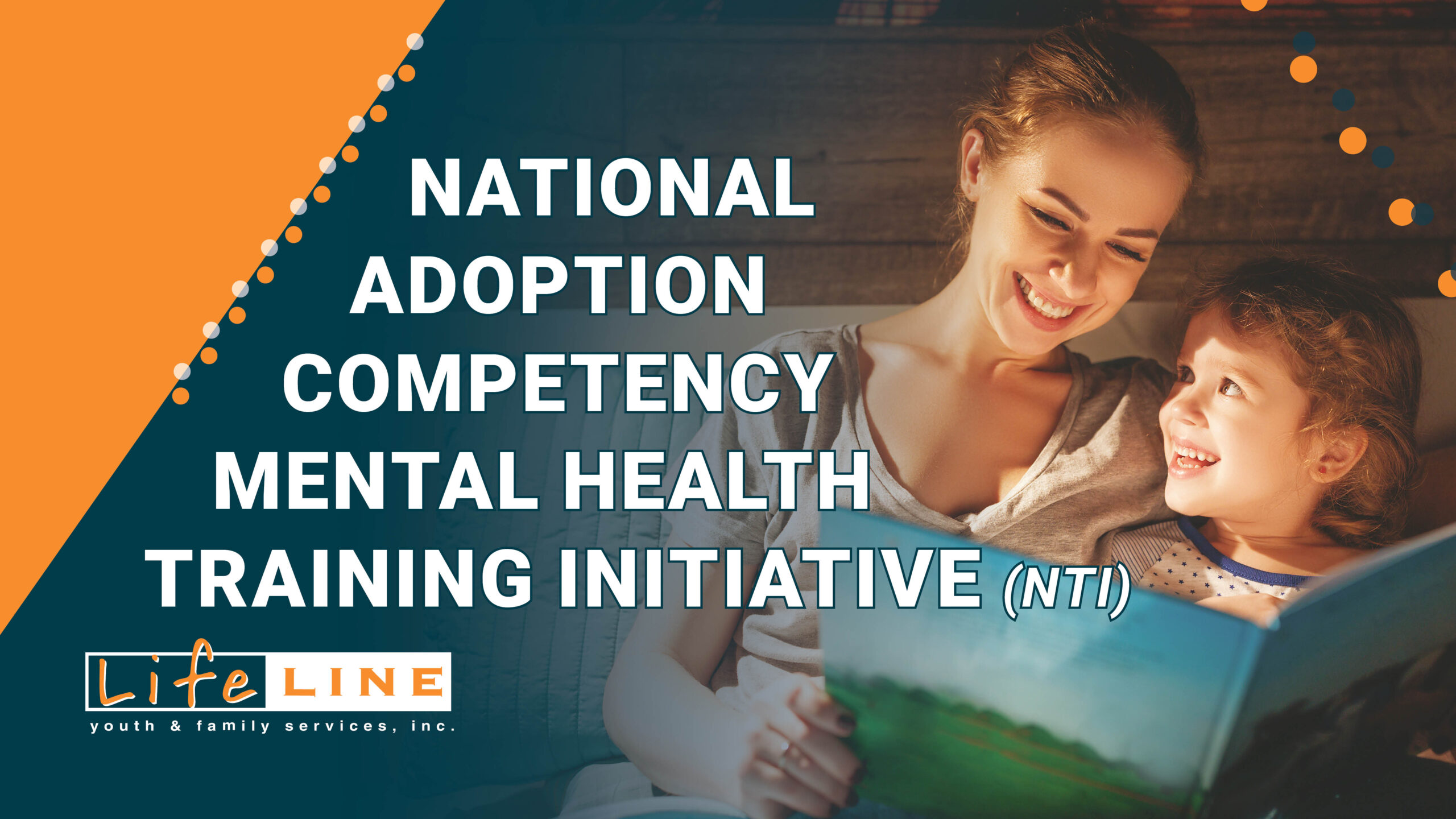
C.A.S.E. Institute offers an amazing adoption competency training for child welfare professionals called NTI (National Adoption Competency Mental Health Training Initiative). Capacity for relationships is one such area discussed. This training describes attachment as foundational to all development, and that children who are securely attached have a sense of safety and worth, as well as a base for conscience and a capacity for empathy. These are important factors to have when in relationship with others.
For children coming from hard places, there is a distrust of others and they learn to protect themselves from closeness, often because it is associated with pain and loss. Although closeness is part of attachment and it is something these children desire, they may vacillate between closeness and distance with a parent or guardian because it scares them. Another very important and oftentimes overlooked factor (at least from what I’ve seen) in forging new relationships is unresolved grief and loss. All children coming into adopted or guardianship situations have experienced grief and loss, whether it be associated with an actual death of a loved one, or related to the grief and loss of a school, a community, an identity, a church, a culture, siblings, pets, etc. The list, once you start to think of it from a perspective where the grief/loss is NOT associated with death, can be quite long for these children and must be addressed for new attachments to begin.
The good news is that there are specific tasks for children and for parents, that can help build this capacity for relationship. Here are tasks that the NTI training outlines:
Tasks for Parents
- Calming, therapeutic parenting
- Work through own losses
- Help child express grief
- Honoring child’s previous attachments
- Claiming the child; positive interactions
- Help child to verbalize feelings & empathize
- Responding to child’s needs at his/her development level – reparenting
- Increase attunement to child and manage own negative feelings
Tasks for Children
- Learning to manage fears, accept comfort
- Resolution of past losses; grief work
- Understand reasons for separation
- Building on former attachments
- Strengthening attachments in adoptive family
- Identifying & expressing feelings
- Experiencing safety and security
- Identifying and using support persons
So, in this month of love, remember that love has never been, nor ever will be, as simple as buying flowers and candy. In fact, John 3:16 reminds us of the greatest example of love ever shown: God sent his son Jesus to die a horrible death on a cross so that we may not perish but have eternal life. See, love really isn’t easy. And there is no shame if you feel like you are or have failed in loving well. You are not alone. Just keep learning and trying, giving yourself grace and forgiveness, and asking the same from those around you.
To learn more about C.A.S.E. and their free trainings/resources, here is their website: Adoption Support Center & Services | C.A.S.E.
Lifeline Exists For Families
Lifeline Youth & Family Services helps individuals and families rediscover solutions that will allow them to reclaim control, rebuild relationships, and restore hope.